

Diet and Mental Health: Evidence, Implications, and Clinical Applications
A research-grounded training for clinicians and registered dietitians navigating mental health nutrition claims in practice.
When clients ask whether food can treat depression, you deserve more than influencer soundbites.This evidence-based webinar critically examines the relationship between diet and mental health, focusing on what current research actually supports. Drawing from large observational studies, randomized controlled trials, and meta-analyses, the course explores the strengths and limitations of dietary interventions, the role of confounding and expectancy effects, and how diet compares to established treatments such as psychotherapy, exercise, and medication.
Clients are asking about gut health, inflammation, elimination diets, and “anti-depression” foods.
Social media claims dietary changes can reverse mood disorders.
Nutritional Psychiatry research is growing — but nuanced.
As clinicians and dietitians, we are left trying to respond thoughtfully:
How strong is the evidence?
Is diet an evidence-based intervention for depression?
How does it compare to psychotherapy, medication, or exercise?
Where does scope begin and end?
You will leave with a clearer understanding of:
What large observational studies actually show — and what they cannot establish
The findings (and limitations) of key randomized controlled trials
What meta-analyses suggest about effect size and clinical relevance
The role of confounding, expectancy effects, and publication bias
How dietary interventions compare to psychotherapy, pharmacotherapy, and exercise
How to discuss diet with clients without overstating impact or stepping outside scope
WHAT THIS TRAINING PROVIDES
This webinar provides a balanced, research-grounded framework for answering those questions without overstating causality, minimizing limitations, or dismissing emerging findings. It is a critical, evidence-based review of the diet–mental health literature designed for healthcare professionals who value nuance, rigor, and ethical clarity. This is not a hype-based nutrition talk.

Learning Objectives
By the end of this webinar, participants will be able to:
Describe
Describe the current empirical evidence regarding diet and depressive disorders
differentiate
Differentiate correlational findings from causal inference in nutritional psychiatry
research
Compare
Compare the strength and limitations of evidence for dietary interventions relative to established depression treatments
Identify
Identify key methodological limitations, sources of bias, and gaps in the existing literature
APPLY
Apply an ethically grounded, scope-appropriate framework when discussing diet-related questions in psychological practice
This training is appropriate for:
Licensed mental health clinicians
Psychologists
Psychiatrists
Clinical social workers
Marriage and family therapists
Registered dietitians
Advanced nutrition professionals working with mental health populations
This webinar is not designed as consumer treatment guidance. It is a professional education training.
WHO THIS IS FOR
In an environment saturated with strong claims about food and mental health, clinicians and dietitians need clarity.
Overstating evidence risks credibility.
Dismissing emerging research risks relevance.This training helps you stay grounded in the science while responding confidently and ethically to client questions.
WHY THIS TRAINING MATTERS
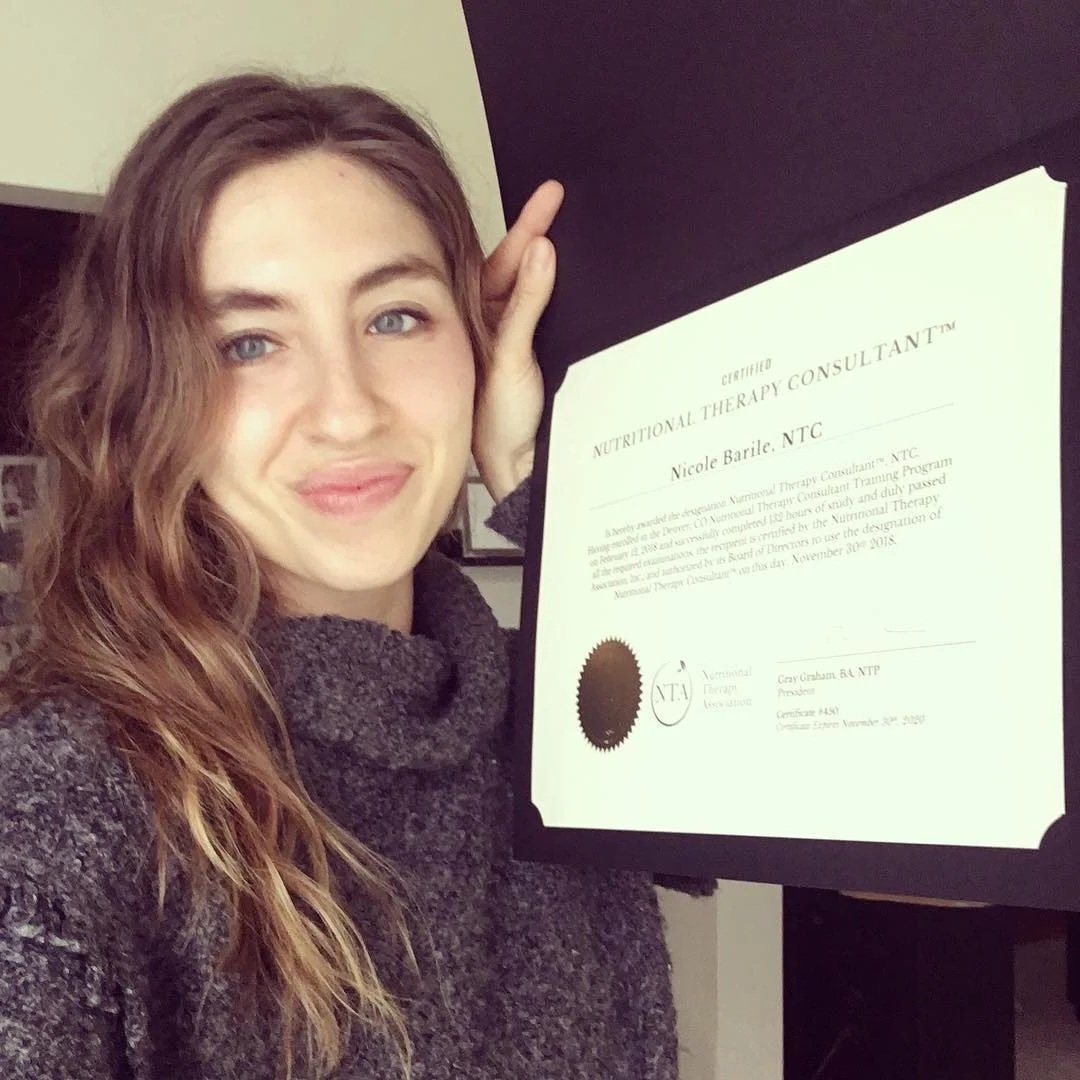
ABOUT THE PRESENTER
Dr. Nicole Lippman-Barile, Ph.D.
Licensed Clinical Psychologist | New York
Hi, I’m Dr. Nicole. I’ve been practicing as a licensed Clinical Psychologist in New York for over 10 years. In my clinical work, I specialize in Cognitive Behavioral Therapy (CBT) for anxiety and depressive disorders, with additional expertise in the treatment of Obsessive-Compulsive Disorder (OCD) and Body Dysmorphic Disorder (BDD).
Throughout my career, I have been committed to evidence-based practice and the responsible translation of psychological science into clinical care.
For the past five years, I have also created evidence-based mental health content on social media, helping the public better understand anxiety, depression, and related disorders. As conversations around diet and mental health have grown — often with strong claims and limited nuance — I became increasingly interested in critically examining the research in this area.
This training reflects that commitment: to clarity, scientific integrity, and helping clinicians navigate complex and evolving research without overstating what the evidence supports.
ENROLLMENT
Enrollment Fee: $99
Gain a clearer, research-grounded framework for discussing diet and depression in practice.
-
Yes. The content reviews both psychiatric and nutritional literature and is designed for professionals working at the intersection of diet and mental health.t goes here
-
No. This training critically examines the strength and limitations of the evidence so you can make informed, ethical decisions in practice.
-
Yes! Mental health professionals who take the course will receive 1 CE as well as a certification of completion.
-
The webinar is recorded and can be watched immediately after purchase.
-
1 hour
FAQs
Disclaimer
This course is provided for educational purposes only and is not intended to constitute medical advice, diagnosis, or treatment. The information presented should not be used as a substitute for professional medical or mental health care, individualized assessment, or clinical judgment. Participants are encouraged to consult appropriate healthcare professionals regarding specific medical or mental health concerns.

APA Approved CE course

Clover Educational Consulting Group is approved by the American Psychological Association to sponsor continuing education for psychologists. Clover Educational Consulting Group maintains responsibility for this program and its content